
Tattoo modification has become increasingly common, and many people begin their research with questions about effectiveness, safety and results. Those searching for tattoo removal Calgary options often come across Pico technology, which is known for addressing stubborn ink with impressive precision. Understanding how this method works and what influences outcomes can help anyone make an informed decision about their treatment plan.
As interest in laser tattoo removal grows, it becomes important to examine the science behind Pico lasers, the factors affecting results and the expectations individuals should have before starting. This detailed guide explains the full process, supported by expert insights relevant to those considering tattoo removal in Calgary.
What Is Pico Laser Tattoo Removal?
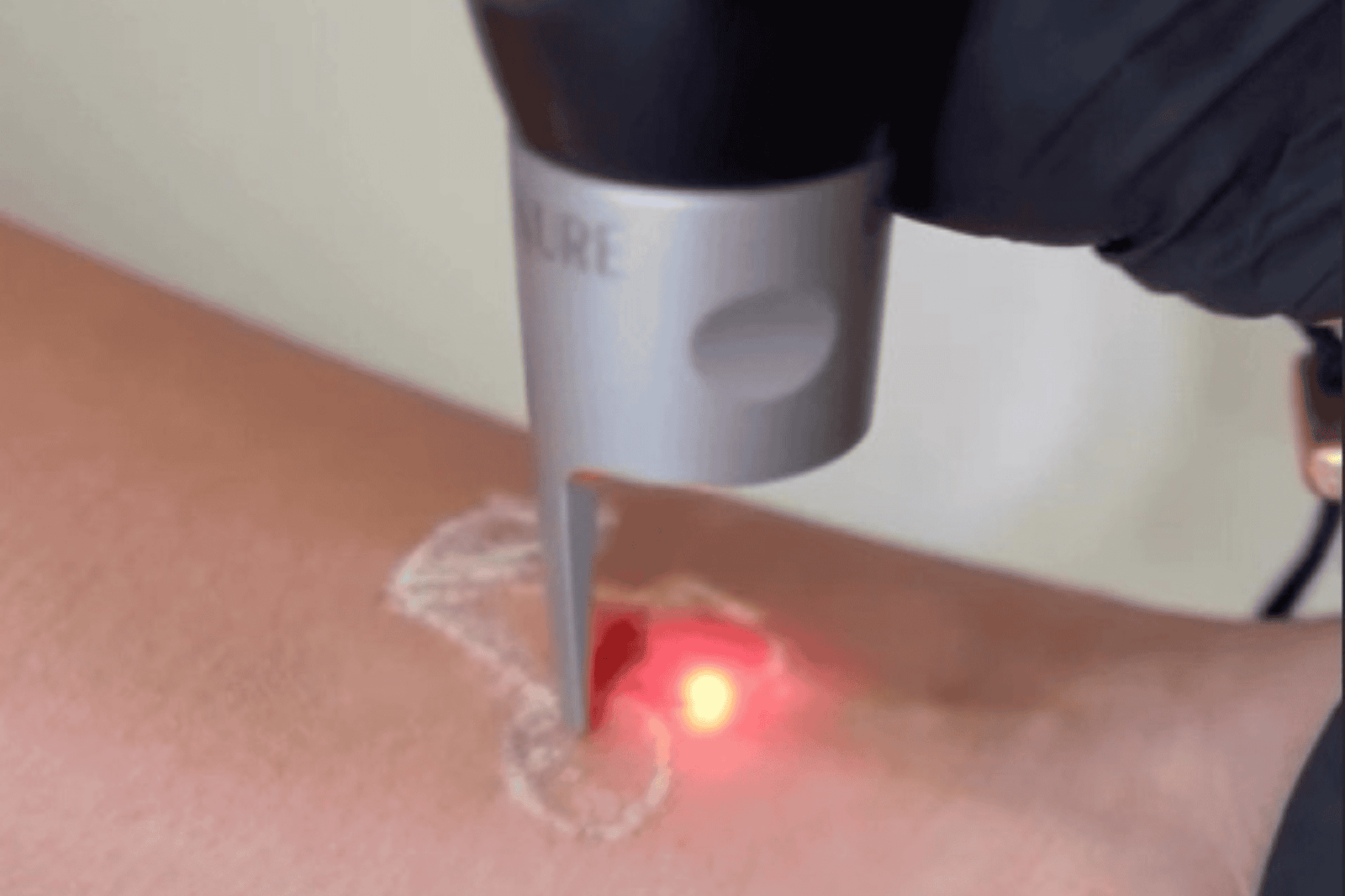
Pico laser technology uses extremely short pulses measured in picoseconds. These rapid pulses target ink particles without causing unnecessary heat damage to the surrounding tissue. The short energy bursts break down the pigment into smaller fragments, which the body gradually eliminates through natural processes.
Unlike older nanosecond lasers, Pico technology focuses on quick energy delivery rather than sustained heat. This approach makes treatments efficient and suitable for a range of ink colours, skin types and tattoo ages. It has become a preferred option for people looking for a targeted and minimally disruptive removal experience. To explore Pico-based treatments available locally, you can review options provided through dedicated services such as the Pico Laser page at Calgary-based providers.
How Pico Laser Breaks Down Tattoo Ink
Tattoo ink sits within the dermis, a deeper layer of the skin. The Pico laser targets the pigment selectively, leaving surrounding tissue intact. When the laser pulses hit the ink, they create a photomechanical effect that shatters the particles into smaller pieces. Over time, the lymphatic system flushes out these fragments, leading to fading and eventual removal.
This method benefits individuals who want to address multi-coloured tattoos, older ink or particularly dense pigment. Some colours, such as blues and greens, are traditionally more difficult to remove, yet Pico devices can target them more effectively than many earlier systems. For those interested in learning about related aesthetic solutions with modern technology, laser treatments from experts such as those at CavaBien Spa can provide additional options for skin improvement.
Does Pico Laser Tattoo Removal Really Work?
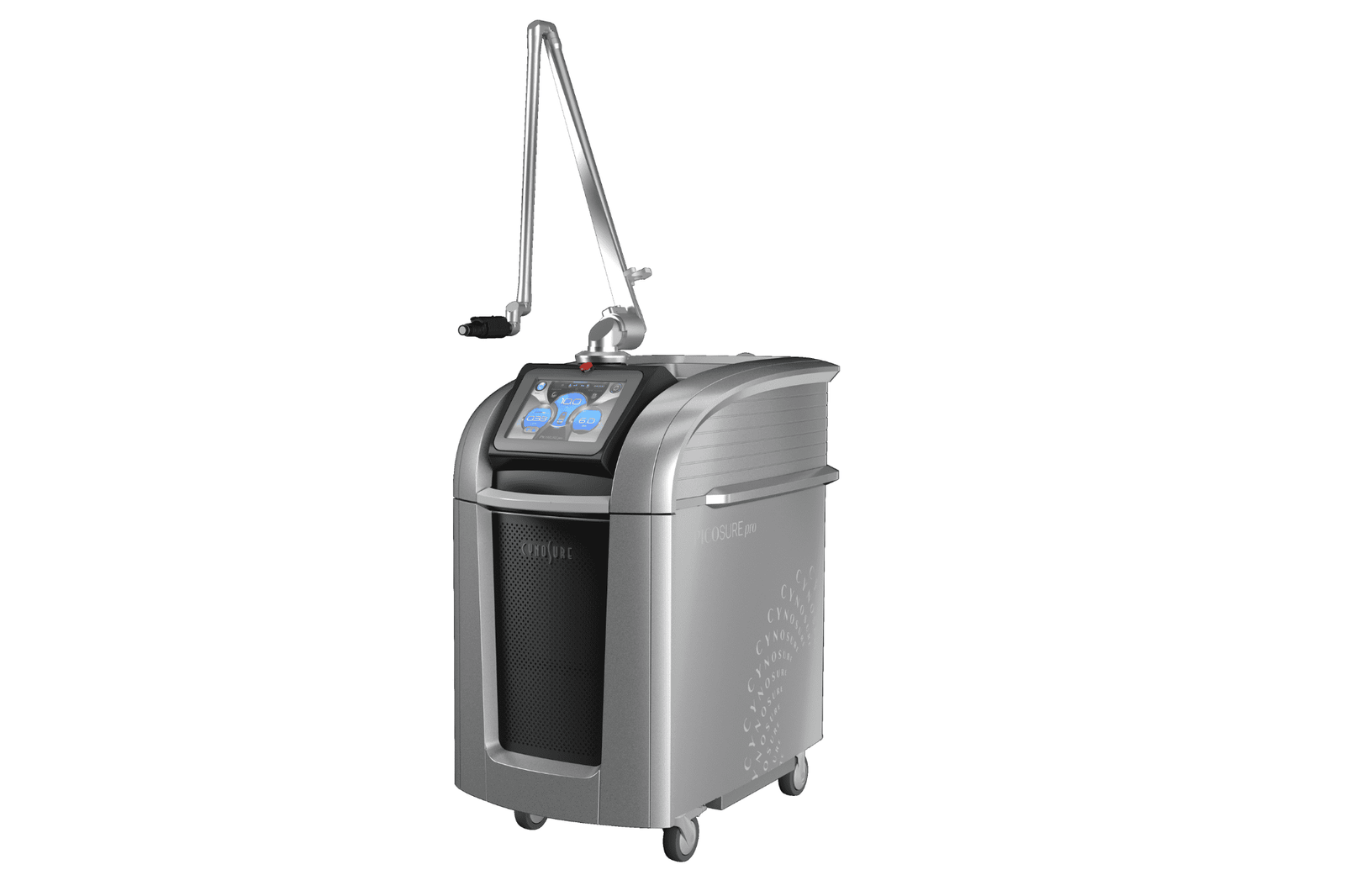
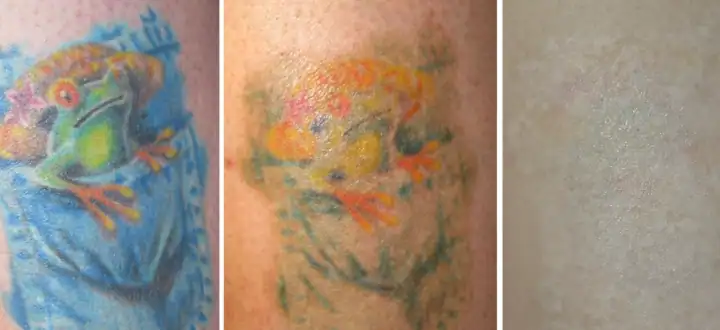
Results depend on multiple factors, but Pico laser technology is considered one of the most effective methods currently available. Many individuals see significant fading after the first few sessions. Complete removal typically takes several treatments, depending on the characteristics of the tattoo.
Its ability to break down finer pigment particles sets it apart from traditional approaches. Pico devices are also known for working well with previously treated tattoos that may not have responded to older laser systems.
Those exploring tattoo removal Calgary options are often particularly interested in whether the technology works on darker skin tones. Pico devices have adjustable settings to support a wide range of skin types, making them a versatile choice.
Factors That Influence Tattoo Removal Results
Tattoo removal is not a one-size-fits-all process. Several elements contribute to the effectiveness of each session.
1. TattooColourand Ink Density
Black ink responds most readily to laser treatment due to its ability to absorb multiple wavelengths. Lighter shades, especially yellow and green, can be more stubborn and may require additional sessions. Dense or layered ink also takes longer to break down.
2. Tattoo Age
Older tattoos typically fade more easily because pigment particles gradually break down over time. Fresh tattoos, on the other hand, retain more intense colour concentration and may require extended treatment plans.
3. Size and Location
Areas with strong circulation, such as arms and shoulders, tend to heal faster and show quicker fading. Locations with lower blood flow, such as ankles, often require more time before significant lightening becomes visible.
4. Skin Type
Different skin tones respond differently to laser wavelengths. Pico systems are generally considered suitable across various skin types due to their speed and reduced heat generation.
5. Immune System Function
Since the body clears the shattered pigment fragments through natural processes, individuals with stronger immune responses may see faster results.
6. Aftercare Practices
Following professional aftercare guidance significantly improves results. Avoiding sun exposure, keeping the area clean and following instructions reduces complications and supports faster fading.
What to Expect During Your Tattoo Removal Sessions
Most individuals want to know what the experience will feel like and how long the process takes. Below is a general overview of the session structure. Those considering treatment can also find practical guidance from clinics experienced in tattoo removal in Calgary, such as CavaBien Spa, who provide detailed information about the procedure and what to expect
1. Before the Session
The practitioner evaluates the tattoo, skin type and medical history. This assessment helps determine the number of sessions, laser settings, and expected outcomes. Many people also discuss treatment goals and timelines at this stage.
2. During the Session
Pico laser pulses are delivered to the tattooed area. The sensation is often compared to small snaps on the skin. Sessions are typically short, especially for smaller tattoos. Cooling may be used to support comfort.
3. After the Session
Temporary redness and mild swelling may occur but generally subside within hours. The skin gradually begins its healing process, and over the following weeks, pigments break down.
To learn more about available services, booking details can be found through reputable contact resources provided by local clinics.
How Many Sessions Are Needed for Complete Removal?
The average person requires between six and twelve sessions for significant fading. Complete removal varies by tattoo characteristics and individual factors. Treatments are usually spaced several weeks apart to allow the skin adequate healing time and to allow the body to process pigment particles.
Multi-coloured tattoos may require further sessions. Previously treated tattoos sometimes respond more quickly once Pico technology is introduced, since the initial layers may have already been addressed.
Comparison: Pico Laser vs Traditional Laser Methods
The table below outlines key differences between Pico technology and older nanosecond lasers.
Feature | Pico Laser | Traditional Laser |
Pulse Speed | Picoseconds | Nanoseconds |
Heat Production | Lower | Higher |
Pigment Breakdown | Smaller fragments | Larger fragments |
Comfort Level | Often reported as higher | Varies |
Suitable for Stubborn Colours | Yes | Limited |
Overall Efficiency | High | Moderate |
This comparison illustrates why many individuals researching laser tattoo removal end up choosing Pico-based treatments.
Understanding Risks and Safety
Safety remains a priority in tattoo removal, especially when treating deeper pigments or sensitive skin. Proper consultation ensures the treatment approach fits individual needs.
1. Common Side Effects
Side effects are generally mild and temporary. Redness, swelling and sensitivity often subside within a few hours. Some individuals experience light scabbing, which is a normal part of the healing process.
2. Less Common Reactions
In rare cases, temporary pigmentation changes may occur. These usually resolve with proper aftercare. Individuals with a history of scarring should discuss concerns during their consultation.
3. Reducing Risks
Following professional guidance significantly lowers the risk of complications. Protecting the area from sunlight, avoiding heat exposure and keeping the skin clean are essential steps after each session.
Pico Laser Tattoo Removal: Who Is an Ideal Candidate?
Individuals seeking to fade or fully remove tattoos, regardless of colour or location, can benefit from Pico technology. It is also suitable for those who previously attempted removal with older lasers but did not achieve the desired results.
Candidates with realistic expectations and commitment to aftercare typically see the most success. Pico lasers are frequently used in clinical settings due to their adaptability and safety features.To explore whether you may be suited for these treatments, visiting information sources that detail laser-based procedures can be helpful.
Conclusion
Pico laser tattoo removal has become one of the most reliable approaches for people seeking tattoo removal Calgary services. Its advanced pulse technology helps break down stubborn pigment while keeping the surrounding skin protected. By understanding how the method works, the factors that influence outcomes and what to expect during each session, individuals can make informed decisions about their removal journey. Those interested in this process benefit from reviewing treatment details, understanding the commitment required, and consulting with experienced professionals who can tailor the approach to their needs.
For personalised guidance and treatment planning, reach out to the clinic through Contact Us and take the next step with confidence:
Frequently Asked Questions